
The construction industry has changed dramatically over the past decade. Advances in manufacturing, building science, and project coordination have created new opportunities to improve quality, reduce waste, and streamline construction timelines. One of the most significant developments has been the growth of prefabricated and off-site building systems.
While traditional site-built construction remains the right solution for many projects, prefabricated components are becoming an increasingly valuable tool for custom homes, renovations, additions, and accessory buildings. When used appropriately, they can offer meaningful benefits for both homeowners and builders.
What Is Prefabricated Construction?
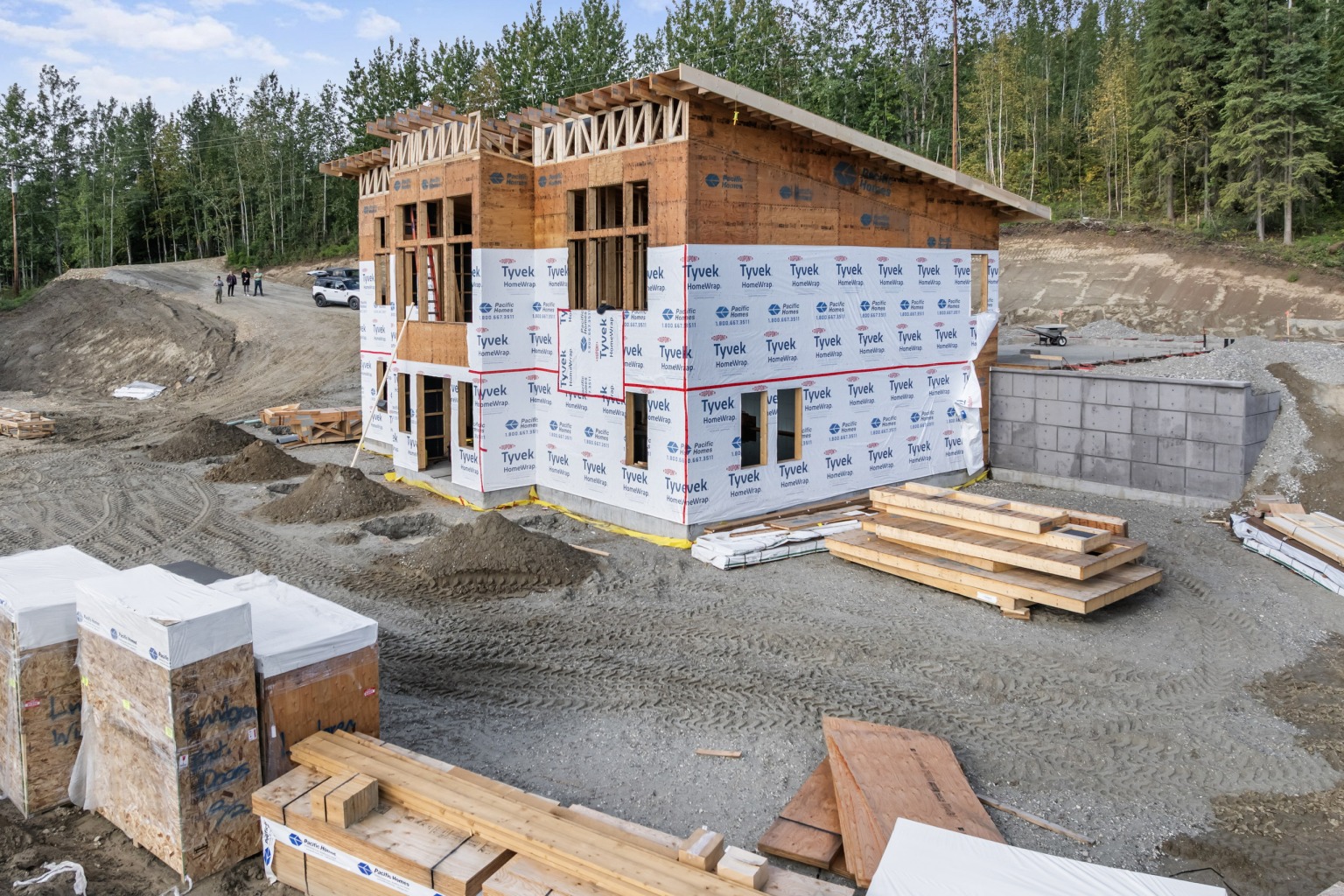
Prefabrication simply means that certain building components are manufactured in a controlled environment before being transported to the project site for installation.
These systems may include:
- Wall panels
- Floor systems
- Roof assemblies
- Modular room components
- Secondary suites and garden suites
- Entire building structures
Rather than completing every stage of construction outdoors, portions of the project are built off-site under factory-controlled conditions before being assembled on location.
Greater Efficiency Through Better Planning
One of the primary advantages of prefabrication is efficiency.
Because much of the work occurs in a controlled manufacturing environment, production can continue regardless of weather conditions. Site preparation and fabrication often occur simultaneously, helping reduce overall project timelines.
This coordinated approach can lead to:
- Faster construction schedules
- Reduced weather-related delays
- Improved trade coordination
- More predictable project planning
For homeowners eager to move into a new home or complete a renovation sooner, these efficiencies can make a meaningful difference.
Improved Budget Predictability
Cost certainty is often one of the most attractive benefits of prefabricated construction.
Many off-site systems are manufactured using standardized processes that reduce labour variability and material waste. Because a significant portion of the work is completed before arriving on site, there are often fewer unknowns during construction.
While every project remains unique, prefabricated systems can help:
- Improve budgeting accuracy
- Reduce material waste
- Minimize schedule-related cost overruns
- Simplify project coordination
For homeowners seeking greater predictability throughout the building process, this can provide valuable peace of mind.
Consistent Quality and Precision
Factory-controlled environments allow building components to be assembled under carefully managed conditions using specialized equipment and repeatable processes.
This often results in:
- Greater dimensional accuracy
- Improved quality control
- Reduced exposure to moisture during construction
- Consistent installation standards
When combined with thoughtful design and experienced site assembly, these systems can contribute to high-performing homes built to modern energy-efficiency standards.
Reducing Construction Waste
Construction waste is an ongoing challenge throughout the industry. Traditional site-built projects often generate significant quantities of discarded materials through off-cuts, packaging, and excess ordering.
Many prefabrication systems help reduce waste by:
- Optimizing material usage
- Manufacturing to precise dimensions
- Reducing packaging requirements
- Minimizing on-site disposal needs
This can lower environmental impact while supporting more sustainable construction practices.
Ideal Applications for Prefabrication
Prefabricated systems are not limited to one type of project. They can be successfully incorporated into:
Custom Homes
Wall panels, floor systems, and roof assemblies can accelerate construction while maintaining design flexibility.
Home Additions
Off-site fabrication can reduce disruption and shorten construction timelines for homeowners remaining in their homes during renovations.
Secondary Suites and Garden Suites
Many accessory dwelling units are particularly well suited to prefabricated construction due to their efficient layouts and predictable building requirements.
Challenging Sites
Projects with limited access, steep terrain, or constrained construction windows may benefit from reducing the amount of on-site construction activity required.
Recreational and Remote Properties
For properties on islands, mountain locations, rural acreage, or other hard-to-access sites, prefabrication can help simplify construction while improving schedule predictability and reducing site disruption. The result is often a more efficient building process and a faster path from concept to occupancy
Is Prefabrication Right for Every Project?
Not necessarily.
Every property, budget, design, and construction objective is different. Some projects benefit greatly from prefabricated systems, while others are better served through traditional building methods. The best solution often involves combining elements of both approaches to achieve the desired outcome.
The key is evaluating each project individually and selecting the methods that provide the greatest value, efficiency, and long-term performance.
Building Smarter for the Future
As building technologies continue to evolve, prefabricated construction is becoming an increasingly important part of the residential construction landscape. When thoughtfully integrated into the design and construction process, these systems can improve efficiency, reduce waste, enhance quality control, and create a more predictable building experience.
At Shakespeare Homes, we continually evaluate emerging building methods and technologies to ensure our clients benefit from the most effective solutions available. Whether through traditional construction, prefabricated systems, or a combination of both, our focus remains the same: delivering high-quality homes built for lasting performance.