Skip to content
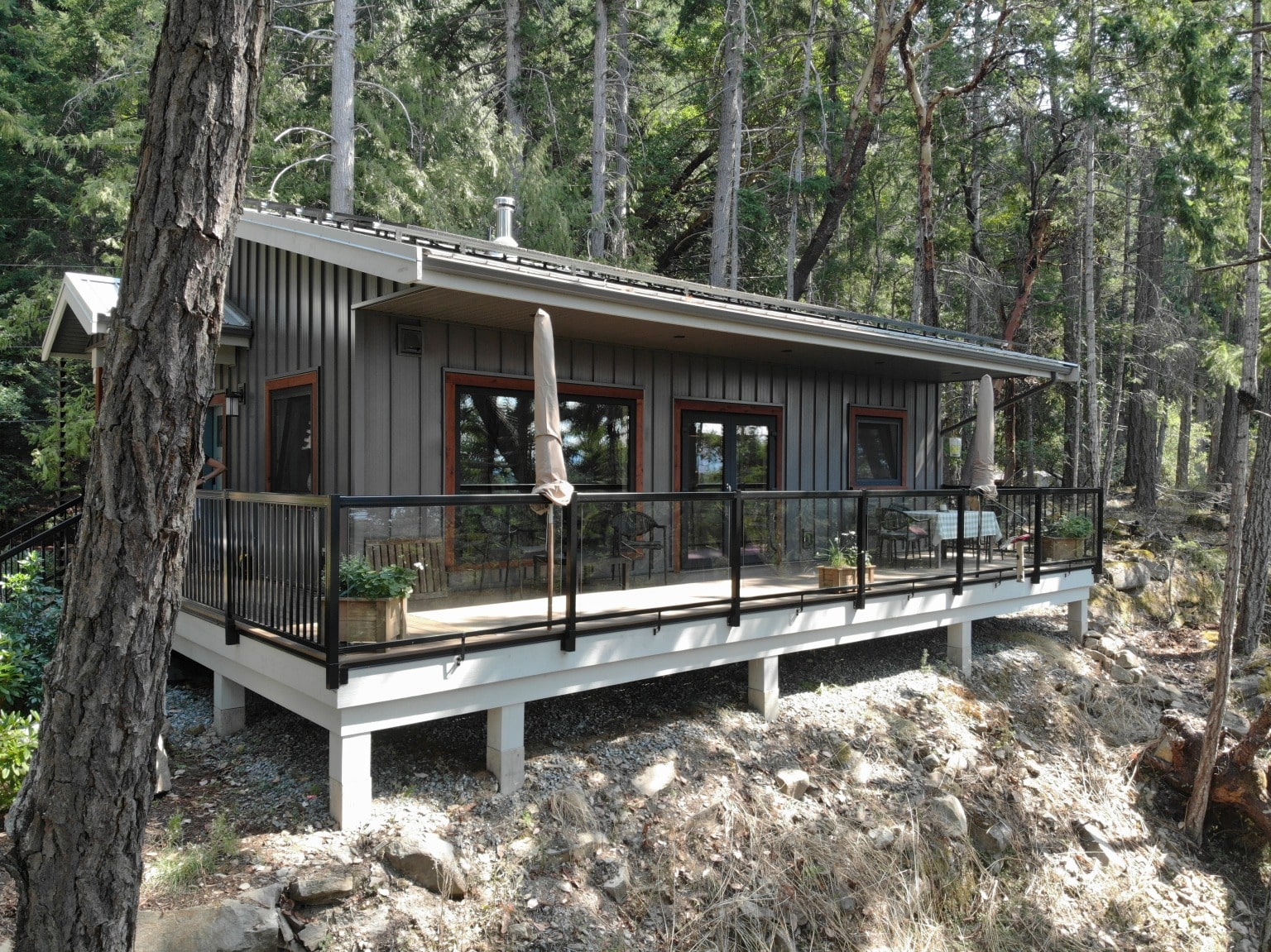
A cedar cabin with a metal roof and a covered deck, set among firs

Recreational Homes

Recreational properties offer a chance to slow down, reconnect, and spend meaningful time with family and friends. Whether on the coast, in the mountains, on an island, or in a quiet rural setting, these homes become gathering places where traditions are built and memories are made for generations to come.

At Shakespeare Homes, recreational properties receive the same care and craftsmanship as a primary residence, with careful planning for the unique demands of each site. Remote locations, limited access, servicing, and climate all shape the building approach, and prefabricated construction can often be an efficient solution, reducing time on site while maintaining quality and design flexibility. Our team coordinates closely with homeowners, consultants, engineers, and trades to deliver well-managed projects from concept through completion.

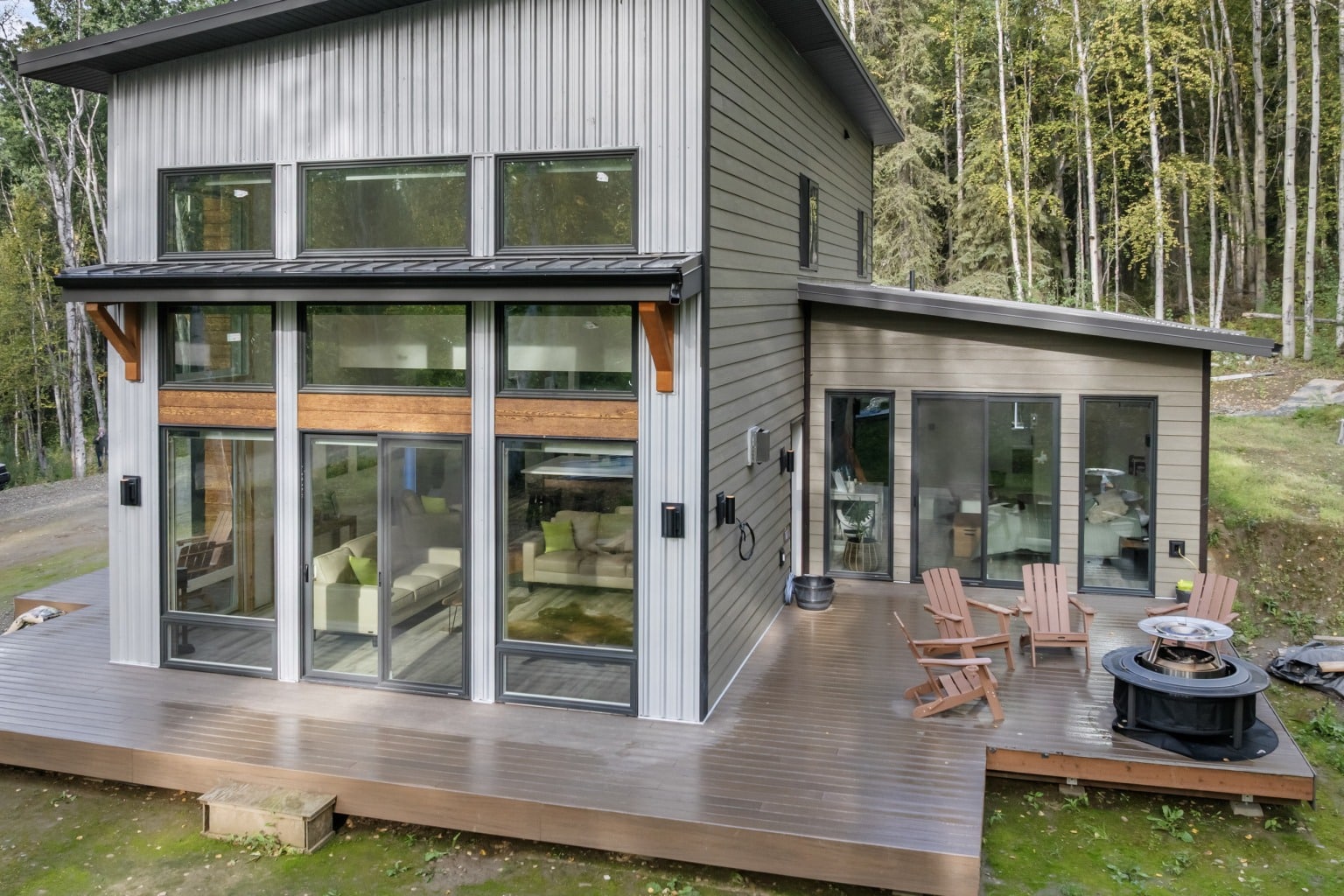
A modern shed roof home with a wide deck, chairs and a fire pit at the forest edge

Key Considerations

Lifestyle

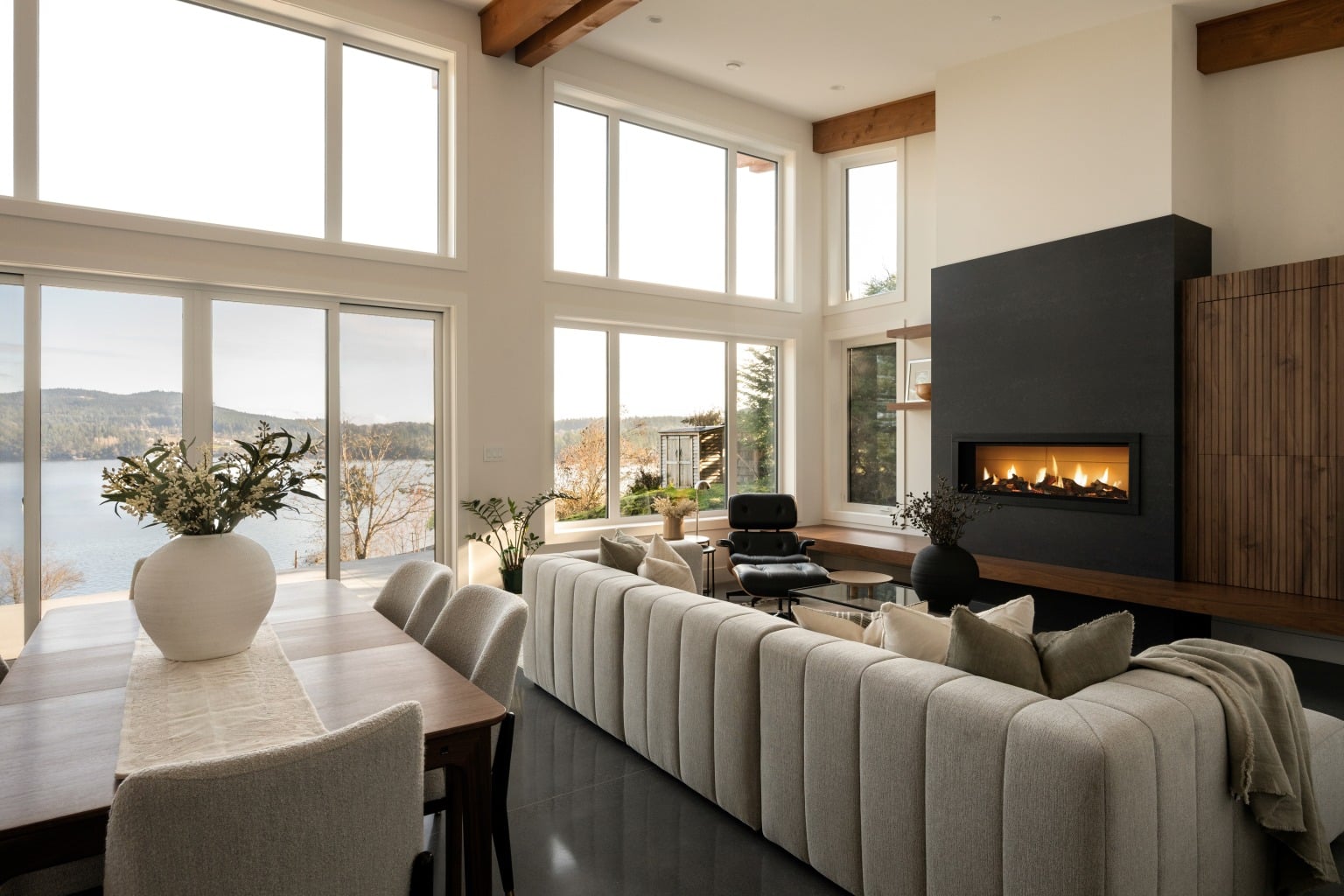
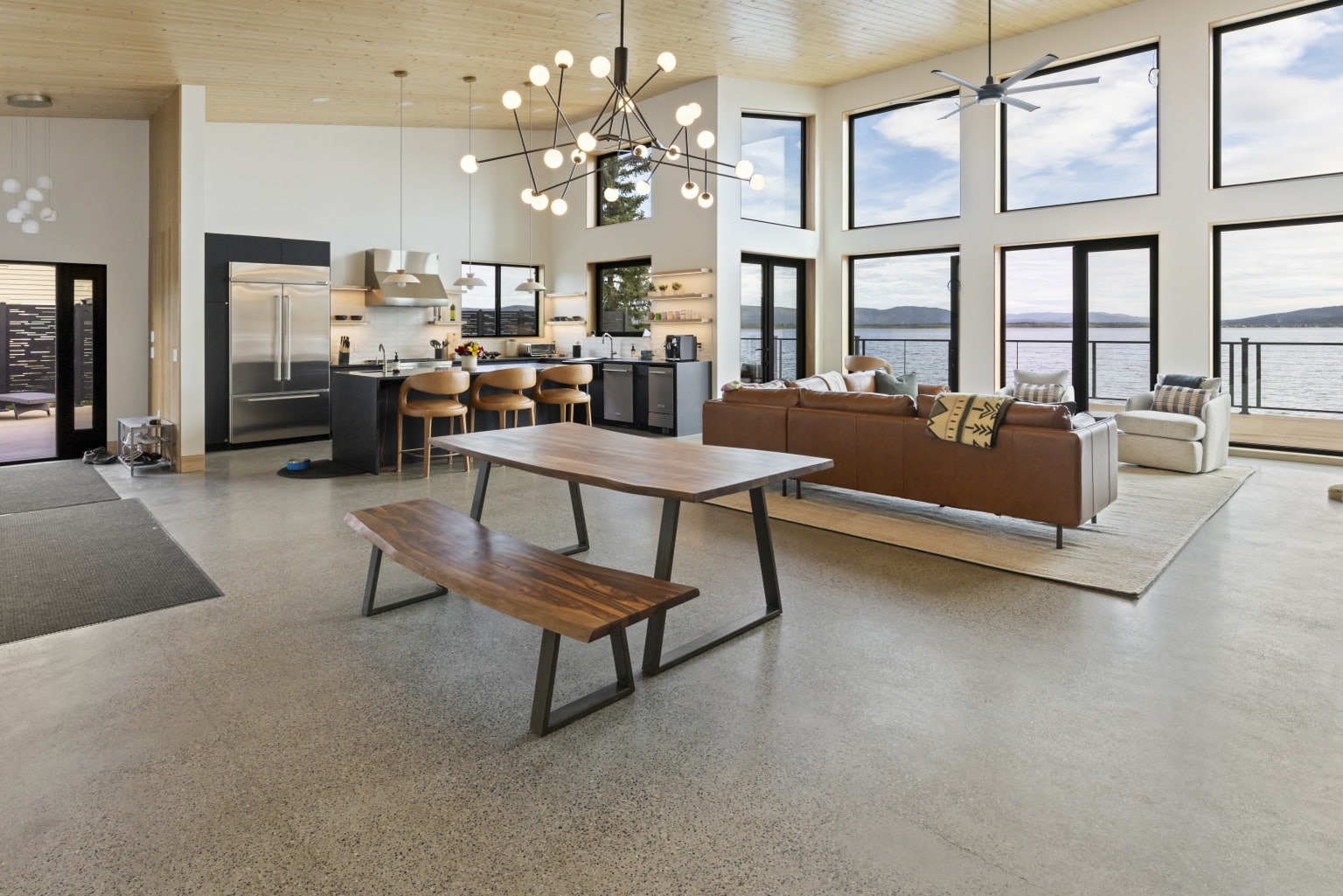
Gathering & Connection: Think about how you’ll spend time together. Open living areas, generous kitchens, and outdoor spaces like decks and fire pits create room for family meals, visiting friends, and the memories that make a recreational home special.

How You’ll Use the Home: Consider how often the home will be used and by whom. Year-round or seasonal stays, bunk rooms or guest suites for visiting family, and spaces that are easy to open and close up all help shape a home that fits the way you want to relax.

Site Access & Logistics

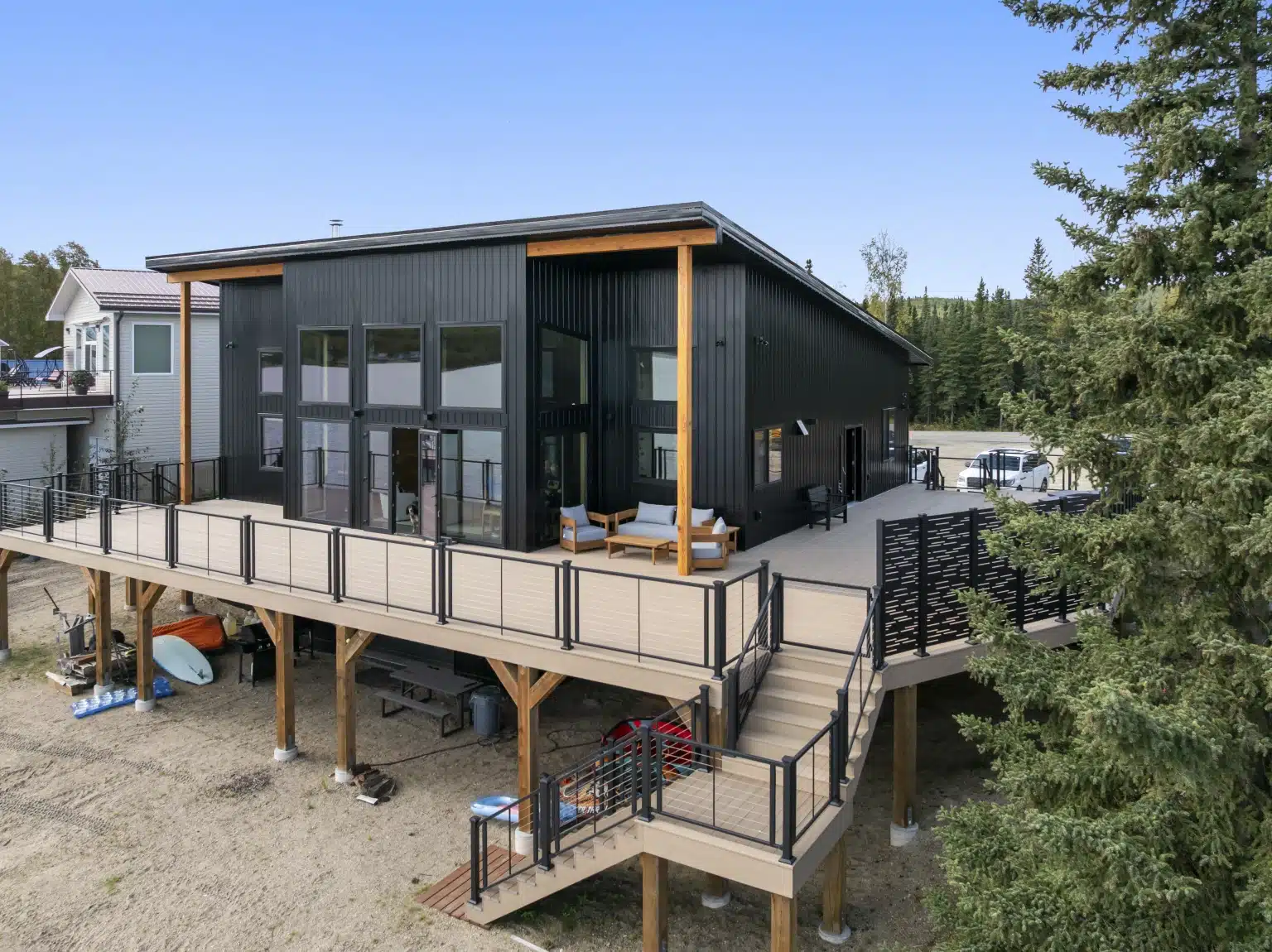
Access & Transportation: Many recreational properties involve unique access challenges including narrow roads, steep terrain, ferry transportation, remote locations, or limited staging areas. Understanding how materials, equipment, and trades will reach the site is an important part of early project planning.

Environmental & Site Conditions: Waterfront properties, forested sites, exposed weather conditions, rocky terrain, and varying soil conditions can all influence design, engineering, drainage, and construction methods. Careful site analysis helps ensure the home responds appropriately to its environment.

Prefabricated & Off-Site Building Systems: For remote or difficult-to-access properties, prefabricated building systems can offer significant advantages. Off-site fabrication may reduce on-site construction time, improve scheduling efficiency, minimize material waste, and simplify logistics where labour access and weather can create additional challenges.

Sustainability & Planning

Budget & Construction Planning: Transportation, access limitations, site preparation, servicing requirements, and remote logistics can all influence recreational property budgets and timelines. Early planning and realistic scheduling help create a smoother and more predictable construction process.

Durability & Low-Maintenance Materials: Recreational properties benefit from durable materials and thoughtful detailing that can withstand weather exposure and periods of reduced occupancy. Exterior cladding, roofing, decking, windows, and building systems should all be selected with long-term performance in mind.

Energy Efficiency & Comfort: Modern recreational homes are increasingly designed for year-round comfort and energy performance. High-performance building envelopes, efficient heating systems, ventilation, and insulation can improve comfort while reducing long-term operating costs.

Utility & Servicing Requirements: Remote properties may require specialized servicing solutions including septic systems, water storage, wells, propane systems, generators, solar integration, or off-grid infrastructure. Understanding these requirements early helps inform both design and budgeting.

Questions?

Visit our FAQ section to learn more or contact our team.

How to decide between building a new home versus renovating an existing house?

In many cases, a renovation can be more cost-effective than a new build, particularly when existing structural elements, services, and site conditions can be retained. However, every project is unique.

The scope of work, desired level of finishes, structural upgrades, and building performance goals all influence the overall investment. Our role is to help clients understand the options available and make informed decisions that balance budget, functionality, and long-term value.

How should I budget for a renovation or custom home project?

A realistic budget begins with understanding the scope of work, desired finishes, and project objectives. During the planning process, we help clients establish budget expectations and identify areas where costs may vary.

We also recommend maintaining a contingency allowance, particularly for renovation projects where unforeseen conditions can arise. Many financial institutions suggest reserving approximately 10–20% of the project budget for contingencies.

Can I work with my own architect, designer, or interior designer?

Absolutely. We regularly collaborate with architects, interior designers, landscape architects, and consultants selected by our clients.

Our role is to work as part of the project team, helping ensure that design intent, construction requirements, budget considerations, and scheduling remain aligned throughout the process. Whether you already have a design team assembled or are looking for recommendations, we can help guide the project from concept through completion.

Do you handle permits and municipal approvals?

Yes. Shakespeare Homes works closely with homeowners, consultants, and local municipalities to help guide projects through the permitting and approval process.

Requirements vary depending on the scope of work, property location, and applicable regulations. Our experience working throughout North Vancouver, West Vancouver, and the Sea to Sky region allows us to help navigate these processes efficiently while keeping clients informed at every stage.

How early should I contact Shakespeare Homes?

The earlier, the better. Engaging the builder during the planning and design stages often leads to better project outcomes, more accurate budgeting, and fewer surprises during construction.

Early involvement allows us to provide input on feasibility, site conditions, construction methods, scheduling, and budget considerations before plans are finalized, helping create a smoother path from concept to completion.

Portfolio

Each home represents a unique collaboration between homeowners, designers, consultants, and our construction team.

From custom homes to transformative renovations, these projects highlight the quality, care, and attention to detail.

VIEW OUR PORTFOLIO

Ready to Discuss Your Project?

Tell us about your project and we will come back to you within one working day.

EMAIL US INSTAGRAM YOUTUBE
Call Book a Consultation
Scroll to Top